An electric gate should move with a smooth and steady sound.
If it starts grinding, squeaking, rattling, humming, or vibrating more than usual, something in the system may be wearing down or moving under extra strain. A noisy gate often gives an early warning before a bigger problem appears.
Why Gate Noise Matters?
Many property owners ignore gate noise because the system still works.
That is a mistake. In many cases, unusual sound is one of the first signs that a part is loose, worn, misaligned, or under pressure. If you catch the issue early, you can often prevent more damage to the opener, hardware, and movement system.
Common Reasons An Electric Gate Makes Noise
Several issues can make an electric gate louder than normal.
The most common causes include:
- worn hinges
- worn rollers
- loose hardware
- poor alignment
- track resistance
- chain problems
- opener strain
- motor wear
- rust and corrosion
- lack of maintenance
Sometimes the problem comes from one part. Other times, more than one issue is building at the same time.
Worn hinges
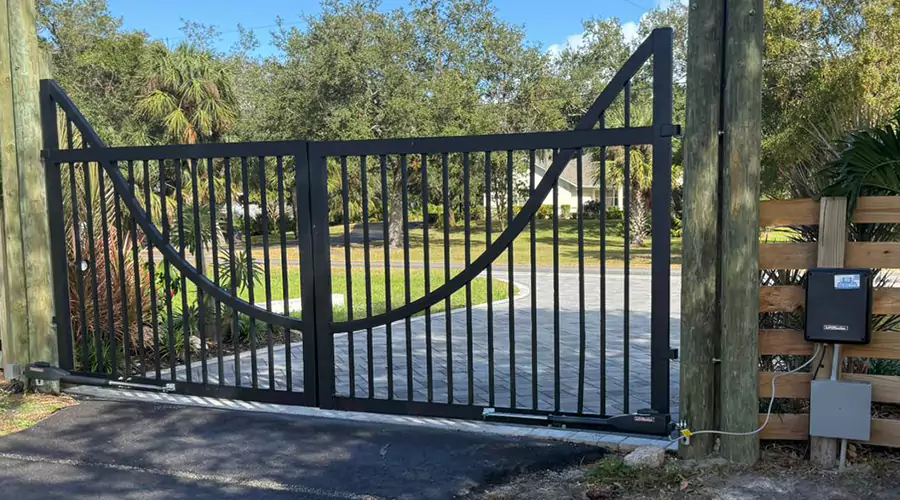
If your gate uses hinges, those hinges take constant stress during opening and closing.
Over time, they may wear down, loosen, or stop moving smoothly. This can create:
- squeaking
- grinding
- uneven movement
- extra strain on the gate opener
Hinge wear is a common reason swing gates become noisy.
Worn rollers
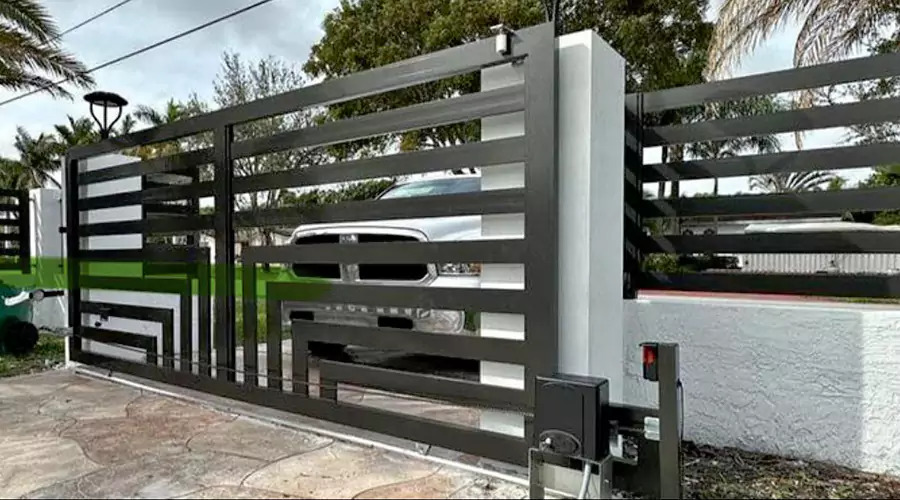
Sliding gates depend on rollers to move smoothly along the path.
If the rollers wear out, the gate may sound rough or strained during travel. You may notice:
- grinding
- dragging sounds
- jerky movement
- uneven motion
Roller issues often get worse slowly, so the sound may build over time.
Loose hardware
Bolts, brackets, fasteners, and support parts can loosen with repeated use.
When that happens, the system may start making:
- rattling sounds
- vibration noise
- movement-related knocking
- unstable opening or closing sounds
Loose hardware may seem minor at first, but it can lead to larger alignment and support problems.
Poor alignment
An electric gate should move in a clean and even path.
If the gate shifts out of alignment, movement becomes harder and louder. The opener may have to work harder, which can create:
- grinding
- hesitation
- jerky motion
- stress noise from the opener
Poor alignment is one of the most important issues to check when a gate becomes noisy.
Track resistance
If the gate slides on a track, the track must stay clean and clear.
Debris, rust, damage, or blockage in the track can create resistance. That resistance often leads to:
- rough travel
- scraping sounds
- grinding
- uneven motion
Even a small obstruction can affect how the full system sounds.
Chain problems
Some electric gates rely on chain-driven movement.
If the chain becomes too loose, too tight, worn, or poorly adjusted, it can create:
- rattling
- jerking
- slipping sounds
- inconsistent movement noise
Chain problems often make the opener feel weaker because the system is no longer pulling smoothly.
Opener strain and motor wear
The opener itself may also create noise if it is under stress.
This can happen because of:
- internal wear
- electrical strain
- gate resistance
- overheating
- repeated heavy use
You may hear humming, buzzing, or strained operation if the opener is no longer working efficiently.
Common Types Of Gate Noise And What They May Mean
Grinding
Grinding often points to worn moving parts, resistance, rough rollers, or alignment issues.
Squeaking
Squeaking often suggests hinge wear, dry movement points, or friction in the hardware.
Rattling
Rattling may happen when hardware, brackets, or chain components loosen over time.
Humming or buzzing
This may point to opener or motor strain, electrical issues, or a system that is trying to move under resistance.
Scraping
Scraping often suggests dragging, poor alignment, or track-related issues.
Warning Signs That Often Appear With Gate Noise
A noisy gate usually shows other symptoms too.
Watch for:
- slower opening or closing
- jerky movement
- the gate stops during travel
- rough alignment
- visible dragging
- inconsistent performance
- extra opener strain
These signs usually mean the noise is part of a larger issue.
What You Can Check First?
You can do a basic visual check before calling for service.
Look for:
- loose hardware
- visible rust
- worn hinges
- track debris
- rough roller movement
- dragging or uneven travel
- unusual opener behavior
Do not force the gate if it sounds strained or moves roughly. That can make the problem worse.
Why Early Repair Matters?
A noisy gate often becomes a more expensive repair when ignored.
The extra strain can affect:
- the opener
- the hinges
- the rollers
- the track
- the chain
- the support hardware
When you fix the cause early, you reduce the risk of wider system damage.
Final Thoughts
If your electric gate is making noise while opening or closing, do not treat it as a small issue.
In many cases, the sound is the system’s first warning that something is wearing down, loose, or under strain. The sooner you find the cause, the easier it is to protect the gate and avoid a bigger repair.