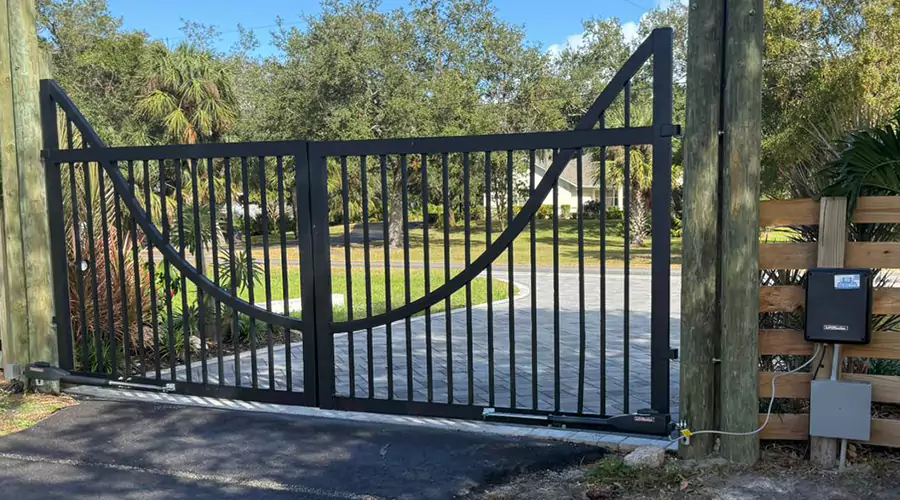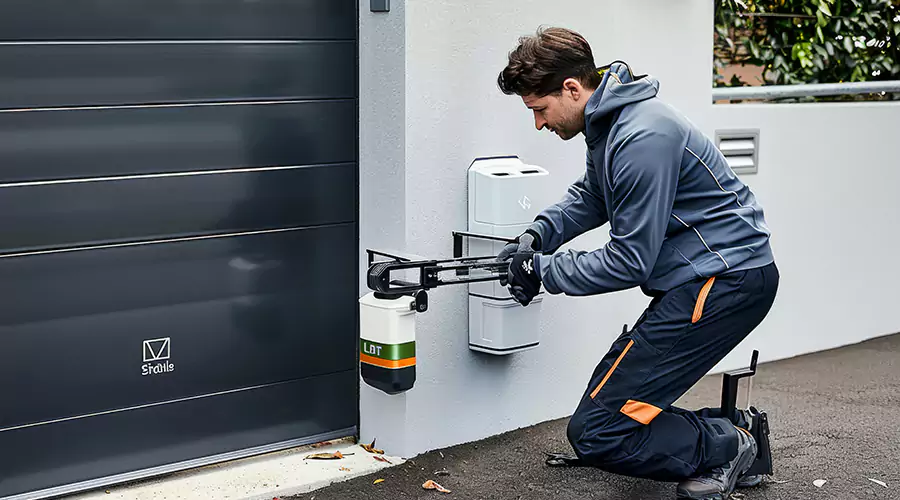
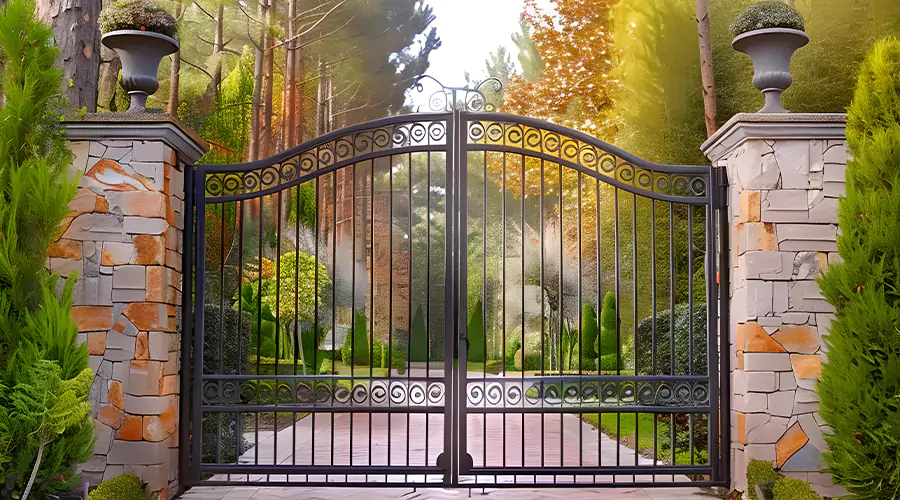
A driveway gate usually sags because the support system starts weakening over time.
The change may seem small at first. The gate may look slightly uneven, feel rough while moving, or stop lining up the way it used to. If you ignore those signs, the sag can get worse and start affecting the hinges, latch, opener, and support posts.
Why Driveway Gates Sag?
A driveway gate carries a lot of weight. Every time it opens and closes, that weight puts pressure on the hinges, hardware, and posts.
Over time, normal use can cause parts to loosen, wear down, or shift. Once that happens, the gate no longer stays in proper alignment.
Common Causes Of A Sagging Driveway Gate
Several issues can cause a driveway gate to sag.
The most common ones include:
- worn hinges
- shifting or weak gate posts
- poor alignment
- heavy gate weight
- loose hardware
- rust and corrosion
- repeated daily use
- ground movement around the post area
In many cases, the sag starts with one small issue. Then the extra strain spreads through the rest of the system.
Worn hinges
Hinges support the gate and help it move evenly. If the hinges wear out, loosen, or weaken, the gate may start dropping on one side.
This often leads to:
- uneven movement
- rough opening and closing
- poor latch alignment
- extra pressure on the frame
Hinge wear is one of the most common reasons a driveway gate begins to sag.
Shifting gate posts
The gate depends on strong, stable posts. If the posts shift in the ground, the gate can fall out of position.
Post movement may happen because of:
- soil movement
- moisture changes
- poor installation
- age and wear
- repeated strain from gate weight
When the posts move, the whole gate system can lose alignment.
Heavy gate weight
Large driveway gates place more stress on the support system. The heavier the gate, the more pressure goes onto the hinges, mounting points, and posts.
If the gate is wide, solid, or used often, that stress adds up faster. Over time, the support structure may no longer hold the gate evenly.
Loose hardware
Bolts, brackets, fasteners, and mounting parts can loosen with daily use. Once that happens, the gate may begin shifting little by little.
Loose hardware often leads to:
- unstable movement
- rattling
- poor alignment
- sagging over time
This issue may look minor at first, but it can create bigger movement problems later.
Rust and corrosion
Rust weakens metal parts and reduces their strength. If hinges, brackets, or support components begin to corrode, they may no longer support the gate correctly.
Corrosion can also make movement rougher and increase strain on the entire system.
Warning Signs To Watch For
A driveway gate usually shows signs before sagging becomes severe.
Watch for these early warnings:
- the gate looks uneven
- the latch does not line up properly
- the bottom edge drags near the ground
- opening and closing feels rough
- the gate scrapes or sticks
- the opener sounds strained
- hinges or brackets show visible wear
These signs usually mean the support system is already under stress.
How Sagging Affects The Opener?
A sagging gate does not only affect the gate itself. It also puts more strain on the opener.
When the gate becomes harder to move, the opener has to work harder on every cycle. That can lead to:
- slower performance
- unusual noise
- extra wear on the opener
- reduced system life
- more expensive repairs later
This is why a sagging gate often turns into a larger problem if it is ignored.
What You Can Check First?
You can do a simple visual check before calling for service.
Look for:
- uneven gate position
- loose hinges or brackets
- rust around the hinge area
- movement in the posts
- latch misalignment
- dragging near the ground
These signs can help confirm that the gate is sagging and not just dealing with a minor adjustment issue.
Why Early Repair Matters?
A driveway gate rarely sags all at once. The issue usually builds slowly.
If you fix it early, you may prevent damage to:
- the hinges
- the latch area
- the opener
- the support posts
- the mounting hardware
Early repair usually costs less than waiting for the gate to become difficult to use or structurally unstable.
Final Thoughts
A driveway gate sags because the support system begins to weaken under weight, use, and time.
In many cases, the cause comes down to worn hinges, post movement, loose hardware, rust, or poor alignment. The sooner you address those problems, the easier it is to protect the full gate system and avoid a larger repair.