An automatic gate should open smoothly and respond without delay. When it does not, the problem can feel frustrating and inconvenient.
In many cases, the gate does not fail all at once. It starts with small signs like slow movement, strange noise, or uneven operation. If you catch those signs early, you can often prevent a bigger repair.
What Causes an Automatic Gate to Stop Opening Properly?
Several issues can affect how an automatic gate opens. The problem may come from the opener, but it can also come from the gate itself or another part of the system.
Common causes include:
- power supply issues
- sensor problems
- remote or keypad signal issues
- worn opener parts
- gate misalignment
- dragging movement
- hinge or track resistance
- motor strain or overheating
A lot of property owners assume the motor is bad right away. That is not always true. Sometimes the gate becomes harder to move, and that extra resistance puts stress on the opener.
Signs Something Is Wrong
Most automatic gates show warning signs before they stop working completely.
Watch for these common symptoms:
- the gate opens slowly
- the gate stops halfway
- the gate makes grinding or humming sounds
- the remote works only sometimes
- the opener runs, but the gate does not move smoothly
- the gate starts and stops during the cycle
- the gate feels heavier than normal
These signs usually mean the system is under stress.
Power and Electrical Issues
Power problems can cause inconsistent gate movement. If the system does not get stable power, the gate may respond slowly or fail to open fully.
Possible electrical causes include:
- interrupted power supply
- wiring problems
- control board issues
- damaged electrical connections
- unstable voltage
If the gate works one time and fails the next, the issue may be electrical rather than mechanical.
Sensor and Safety Device Problems
Automatic gates rely on safety devices to operate correctly. If a sensor is blocked, misaligned, or faulty, the gate may stop or refuse to move as expected.
This can make the problem look like opener failure when the real issue is in the safety system.
You may notice:
- the gate stops for no clear reason
- the gate reverses unexpectedly
- the gate responds inconsistently
- the system works only after repeated attempts
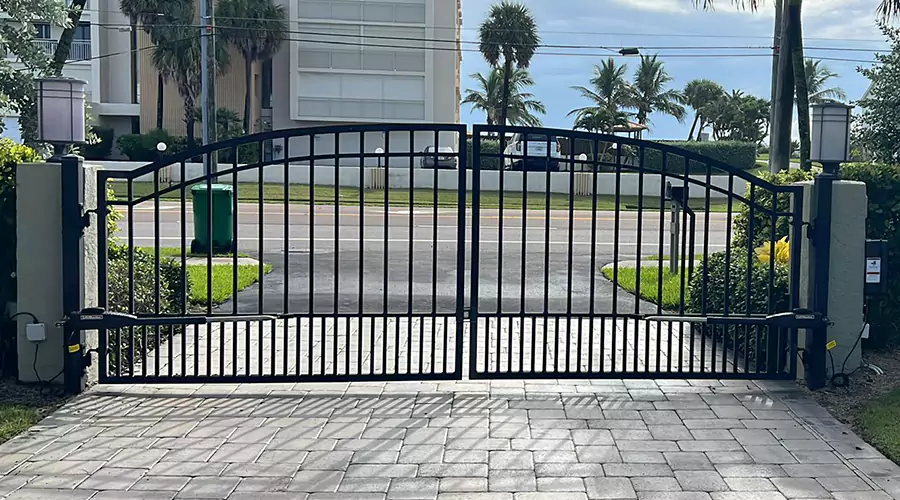
Mechanical Resistance in the Gate
The opener can only work properly if the gate moves smoothly. If the gate drags, shifts, or sticks, the opener has to work harder.
That added strain can come from:
- worn hinges
- poor alignment
- track blockage
- damaged rollers
- sagging gate sections
- rust or debris in the gate path
This is one of the most common reasons an automatic gate starts acting up.
What You Can Check First?
You can do a basic visual check before calling for service.
Look for:
- dirt or debris in the gate path
- signs of dragging
- bent or worn hardware
- visible misalignment
- unusual sounds during movement
- inconsistent response from the remote or keypad
Do not force the gate to keep running. If something is stuck or out of alignment, forcing it can make the damage worse.
Why Early Repair Matters?
Small gate issues often turn into larger repairs when ignored.
For example:
- a minor alignment problem can strain the opener
- a blocked track can wear down rollers
- repeated resistance can damage chains and hardware
- sensor issues can disrupt the full system
When you fix the problem early, you usually save time and avoid a more expensive repair later.
When to Call for Professional Gate Repair?
You should schedule service if your gate:
- opens slowly
- stops partway
- makes unusual noise
- responds inconsistently
- struggles during normal movement
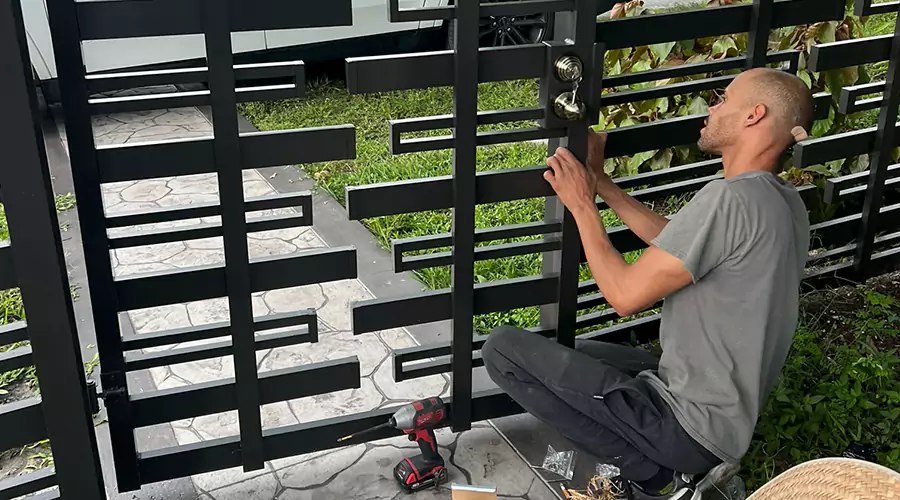
A full inspection can show whether the issue comes from the opener, the hardware, the electrical system, or the safety devices.
Final Thoughts
If your automatic gate is not opening properly, do not ignore the warning signs. Most systems show early symptoms before they fail completely.
The sooner you address the issue, the easier it is to protect the opener, restore smooth movement, and avoid a larger repair.