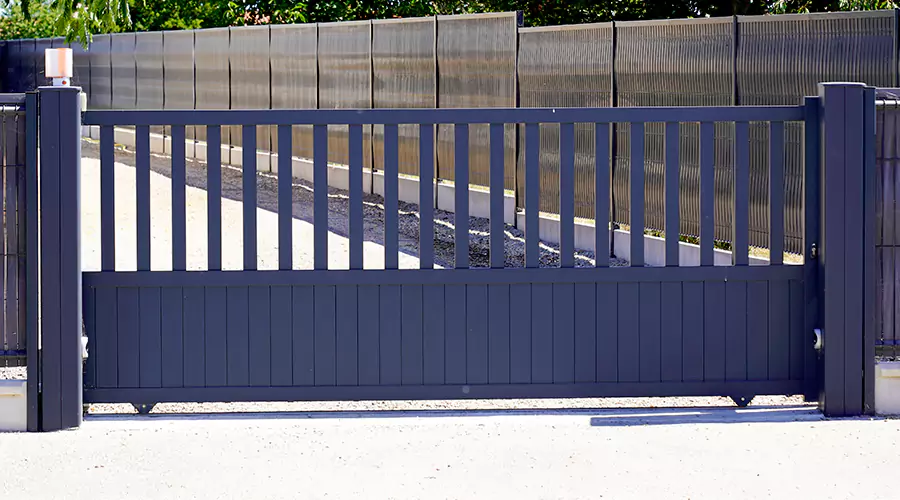
A sliding gate should move in one smooth path from start to finish. When it stops halfway, something in the system is interrupting that movement.
Sometimes the gate stops while opening. Other times it stops while closing or pauses at different points. In many cases, the motor is not the only problem.
The Real Issue Is Often Resistance
A sliding gate usually stops halfway because the system faces more resistance than it should.
That resistance can build up from normal wear, poor alignment, damaged parts, or lack of maintenance. When the gate becomes harder to move, the opener has to work harder too.
That added strain often causes inconsistent performance.
Common Reasons a Sliding Gate Stops Halfway
Several problems can cause this issue.
The most common ones include:
- dirt or debris in the track
- worn or damaged rollers
- poor gate alignment
- chain tension problems
- sensor issues
- control board errors
- motor strain
- physical drag in the gate path
Any one of these can interrupt smooth movement.
Track Problems
The track plays a big role in sliding gate movement. If the track is dirty, damaged, or blocked, the gate may not travel all the way.
Common track-related issues include:
- stones or debris in the track
- rust buildup
- bends or damage
- poor track condition over time
Even a small obstruction can make the gate stop before finishing the cycle.
Worn Rollers and Movement Issues
Rollers help the gate move smoothly. If they wear down, crack, or stop rolling correctly, the gate may jerk, drag, or stop partway through movement.
You may notice:
- rough movement
- louder operation
- uneven travel
- more strain on the opener
Roller wear often gets worse slowly, so many people do not notice it until performance drops.
Alignment Problems
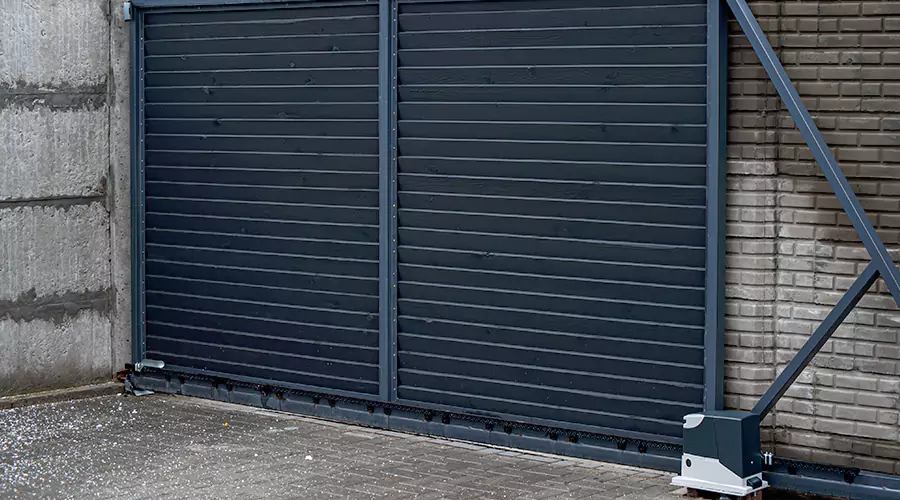
A gate that is slightly out of alignment may still move, but it will not move well.
Poor alignment can cause:
- extra friction
- dragging movement
- uneven pressure on the system
- faster wear on the opener and hardware
This is why a sliding gate can appear to have a motor problem when the real issue is in the gate structure.
Chain and Drive Problems
If the chain is loose, too tight, worn, or poorly adjusted, it can affect how the opener pulls the gate.
This may cause:
- jerky movement
- slipping
- inconsistent stopping
- strain during opening or closing
Drive issues often show up as weak or interrupted movement.
Warning Signs Before a Full Breakdown
A sliding gate rarely stops working without signs first.
Watch for these early warnings:
- jerky movement
- grinding sounds
- delayed response
- the gate stops at different points
- the opener sounds normal, but movement looks rough
- visible drag along the track
- slower operation than usual
These signs often mean the system is under stress.
Why the Opener Is Not Always the Main Problem?
Many people blame the opener first. Sometimes that is correct, but often the opener only reacts to another issue.
For example, the opener may struggle because:
- the track is blocked
- the gate is out of alignment
- the rollers are worn
- the gate has become heavier to move
If you replace the opener without fixing the real cause, the problem may come back.
What You Can Check Safely?
You can inspect a few things visually before calling for service.
Check for:
- debris in the track
- visible roller wear
- uneven gate position
- signs of impact or bending
- rough or noisy movement
- stopping at inconsistent points
These signs can help identify whether the issue is mechanical, electrical, or both.
Why You Should Fix This Early?
A sliding gate that stops halfway puts extra stress on the full system.
If you ignore it, the problem can lead to:
- opener strain
- roller damage
- chain wear
- hardware fatigue
- unreliable gate access
Early repair usually protects more than one part of the system.
Final Thoughts
If your sliding gate stops halfway, do not assume the motor is the only problem. In many cases, the issue starts with resistance in the track, rollers, alignment, or drive system.
The best approach is to catch the cause early and fix it before the strain spreads to other components